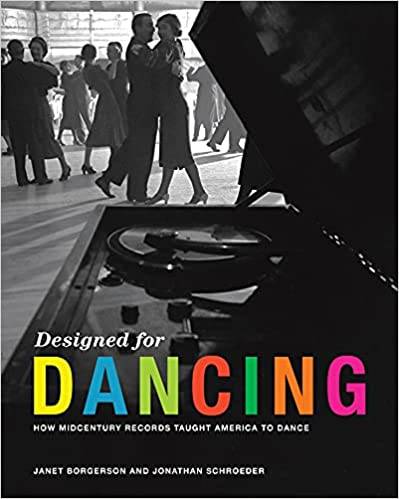
Designed for Dancing: How Midcentury Records Taught America to Dance
Original price was: $44.00.$13.20Current price is: $13.20.
When Americans mamboed in the kitchen, waltzed in the living room, polkaed in the pavilion, and tangoed at the club; with glorious, full-colour record cover art. In midcentury America, eager dancers mamboed in the kitchen, waltzed in the living room, Watusied at the nightclub, and polkaed in the pavilion, instructed (and inspired) by dance records. Glorious, full-color record covers encouraged them: Let’s Cha Cha Cha, Dance and Stay Young, Dancing in the Street!, Limbo Party, High Society Twist. In Designed for Dancing, vinyl record aficionados and collectors Janet Borgerson and Jonathan Schroeder examine dance records of the 1950s and 1960s as expressions of midcentury culture, identity, fantasy, and desire. Borgerson and Schroeder begin with the record covers–memorable and striking, but largely designed and created by now-forgotten photographers, scenographers, and illustrators–which were central to the way records were conceived, produced, and promoted. Dancing allowed people to sample aspirational lifestyles, whether at the Plaza or in a smoky Parisian caf|, and to affirm ancestral identities with Irish, Polish, or Greek folk dancing. Dance records featuring ethnic music of variable authenticity and appropriateness invited consumers to dance in the footsteps of the Other with “hot” Latin music, Afro-Caribbean rhythms, and Hawaiian hulas. Bought at a local supermarket, department store, or record shop, and listened to in the privacy of home, midcentury dance records offered instruction in how to dance, how to dress, how to date, and how to discover cool new music–lessons for harmonizing with the rest of postwar America.